



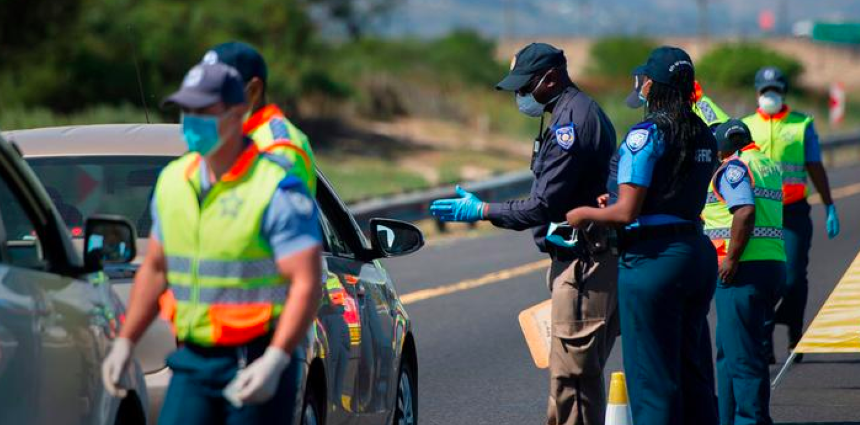
Imagine a world where roadblocks were as routine as traffic lights—where every driver expected, almost as a matter of habit, to be breathalysed or drug tested. At first glance, it might feel excessive. But what if that visibility and consistency were exactly what South Africa needs to make its roads safer?
Today, many motorists continue to drive under the influence because they believe they won’t get caught. Roadblocks are too infrequent, too unpredictable, and too inconsistently enforced to function as a meaningful deterrent. As a result, risk-taking has become normalised. But that dynamic could change if road safety were treated not as a seasonal campaign, but as a constant, everyday presence.
Daily checks drive daily change
In high-risk work environments—mines, industrial plants, and manufacturing facilities—frequent alcohol testing has already proven its value. Workers who know they will be tested daily adjust their behaviour accordingly, moderating consumption and making safer choices.
The same principle applies on public roads. If drivers expected to encounter a roadblock every day, or even every week, fewer would gamble with impairment. Drunk and drug-impaired driving would decline. Licences would be kept current. Unroadworthy vehicles would be removed from circulation. Most importantly, lives would be saved. The real power of regular roadblocks is not punishment—it’s the behavioural shift that comes with certainty.
Visibility is the first step to accountability
The lack of visible enforcement has contributed to widespread lawlessness on South African roads. Speed limits are ignored, basic road etiquette is treated as optional, and dangerous driving behaviours persist because drivers know the odds of being stopped are low.
When enforcement is visible, behaviour changes. A single roadblock can influence hundreds of drivers, not only in terms of alcohol consumption, but across all aspects of road use. Rules only matter when they are consistently enforced—and visibility is what restores their authority.
Equipment, planning, and the power of partnerships
One of the biggest obstacles to effective enforcement is not willingness, but capacity. Without enough breathalysers, drug-testing kits, or properly trained officers, even committed law enforcement teams are constrained. You cannot enforce what you are not equipped to act on.
This gap presents an opportunity for local business and community partnerships. Companies operating in high-risk corridors can collaborate to help fund testing equipment, support officer training, and enable well-planned roadblock initiatives. When structured through independent trusts or non-profits, these partnerships can maintain transparency and public confidence.
The returns are tangible: safer roads, fewer accidents, reduced absenteeism, and stronger community relationships. Road safety becomes a shared investment—one that protects people, productivity, and local economies alike.
Smarter, not just stricter: lessons from abroad
Countries such as Australia demonstrate that frequent roadblocks do not require unlimited resources—just smarter planning. Enforcement there is data-driven, targeting high-risk areas like taverns, bottle stores, and seasonal hotspots. Officers operate with clear objectives, ensuring resources are deployed where they will have the greatest impact.
South Africa can adopt a similar approach, particularly when supported by communities and local industry. The lesson is clear: effective enforcement is less about scale and more about strategy.
So, what would happen if you drove past a roadblock every day?
You would think twice before driving after a drink. You would check that your licence was valid. You would finally replace that expired licence disc. And so would the driver behind you.
That is how real change happens—not through occasional crackdowns, but through quiet consistency. Through visibility, partnerships, and shared responsibility. One roadblock at a time.
