









Dairy producers are coordinating plant design, warehouse systems and transport monitoring to improve efficiency and protect product quality from processing through delivery.
Dairy supply chains rely on connected operations across processing plants, warehouses and transport. Industry specialists say planning packaging lines alongside plant design, automating storage and monitoring temperatures can help companies manage production, inventory and delivery.
Plan packaging lines with the plant
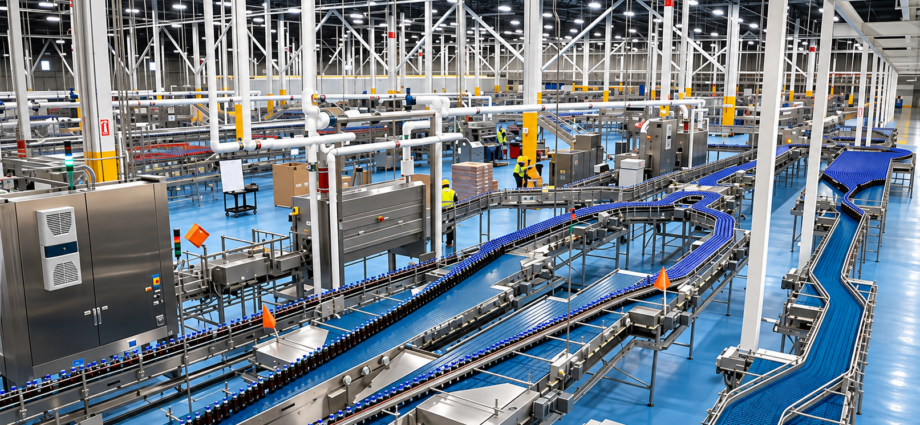
Packaging systems work best when they are considered during a facility’s conceptual design, according to Dennis Group, an architecture, engineering and construction firm. Treating packaging as a late equipment purchase can lead to mismatched line speeds, space constraints and conflicts with warehouse layouts or utilities.
Coordinating primary and secondary packaging, palletising, processing and storage can help align building design with equipment and material flows. Accumulation zones between filling, labelling and packing can also provide temporary storage when downstream equipment stops, helping prevent interruptions from spreading along the line.
Coordinate warehouse systems and automation
Warehouse management systems provide inventory visibility, while warehouse execution systems coordinate and optimise operations. Warehouse control systems direct equipment such as conveyors, autonomous mobile robots and automated storage systems.
Michael Lennard of Rockwell Automation says these systems need to work together as automation grows more complex. Automated storage and retrieval systems can increase storage density, while separate temperature zones can accommodate chilled and ambient goods in the same facility.
Higher-density storage can make better use of expensive temperature-controlled space. Automation can also reduce employees’ exposure to cold environments and help manage refrigeration demand, Lennard says.
Monitor temperature throughout the cold chain
Cold-chain monitoring can help companies identify temperature excursions, door openings, refrigeration issues and product movements. Bryanne Macombe of JPG Resources says dairy products need documented temperature controls tailored to each product, from production through delivery.
Pasteurised milk generally needs to be kept at or below 7°C, with many operations targeting 2°C to 3°C. Ice cream typically requires temperatures between -23°C and -29°C.
Monitoring data from refrigeration equipment, shipments and sensors may also help companies identify equipment failures or transport problems before they affect product quality, Macombe says. For online orders, Kevin Lawton, founder of The New Warehouse podcast, says artificial intelligence could help estimate the insulation and cooling materials needed for individual shipments.
Coordinate collection, processing and transport
Dairy transport schedules are closely tied to farm collection, processing, receiving and tanker-cleaning schedules. A delay at one point can affect later collections and plant operations.
Craig Shaum, chief operating officer of Red Stag LLC, says the company uses GPS, electronic logging devices, dispatch software and real-time communication to coordinate its bulk dairy transport. For raw organic milk, the company aims to maintain temperatures between 0°C and 7°C during transport in insulated stainless-steel tankers after the milk has been cooled at the farm.
Information about receiving capacity can also help carriers allocate vehicles. During severe weather or plant shutdowns, fleet and temperature data can support decisions about using tankers for temporary storage, Shaum says.
Use data to improve processing and plan investment
Rockwell Automation’s Todd Gilliam says model predictive control can help evaporators and spray dryers reach target conditions more consistently. Automation and artificial intelligence can support product consistency and reduce waste, while modular equipment and flexible conveying can help processors change between product and packaging formats.
These applications depend on structured, contextualised data across processing plants, warehouses and other supply-chain operations, Gilliam says. Lennard and Macombe also recommend using simulation and digital models to assess facility designs, upgrades and operating scenarios before committing to major capital investment.
