



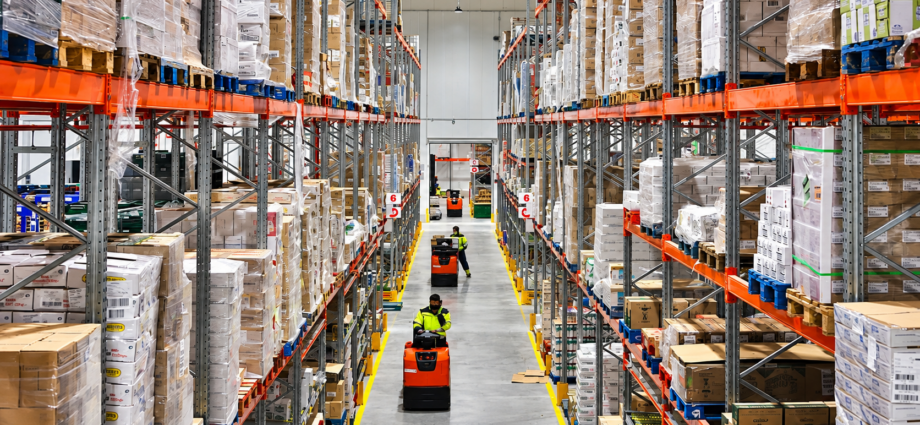
Picking and packing are two essential stages of warehouse order fulfilment. Although closely connected, each process serves a different purpose: picking ensures the correct products are collected, while packing prepares them for safe shipment or storage.
Understanding the differences between these activities can help warehouse operators improve order accuracy, reduce unnecessary handling and streamline logistics operations.
What Is Warehouse Packing?
Packing is the process of preparing products for dispatch by selecting suitable packaging, verifying order contents and ensuring goods are properly protected and labelled.
Key activities include:
- Packaging selection: Choosing suitable boxes, protective materials and fillers according to the size and characteristics of the products.
- Product verification: Checking product models, quantities, dimensions and weight to identify errors before dispatch.
- Shipping labelling: Applying labels containing order references, delivery addresses and, where applicable, tracking details and barcodes.
- Pallet preparation: For palletised shipments, arranging boxes securely, applying strapping or stretch wrap and attaching the necessary labels.
Effective packing helps protect products during transportation and ensures shipments are correctly identified throughout the distribution process.
What Is Warehouse Picking?
Picking involves locating and collecting products from warehouse storage locations to fulfil a customer order. It can be performed manually, through automated equipment or using a combination of both approaches.
The process generally involves reviewing order requirements, locating the relevant stock, collecting the required items and verifying the order before it moves to packing.
Picking accuracy is important because incorrect products or quantities can lead to dispatch errors, additional handling and delays in order fulfilment.
The Main Differences Between Picking and Packing
Although both processes contribute to inventory management and order fulfilment, their primary responsibilities differ.
Picking focuses on product selection and collection, ensuring that the correct items and quantities are retrieved from storage.
Packing focuses on product protection and shipment preparation, ensuring that collected items are checked, packaged and labelled correctly.
The two stages work together to move goods efficiently from warehouse storage to dispatch. Errors during picking can carry through to packing, making verification at both stages important.
Types of Warehouse Picking
Warehouses use different picking methods depending on order volumes, product characteristics, storage layouts and automation requirements.
Person-to-Goods Picking
A warehouse operator travels to the relevant storage locations to retrieve the required products. This approach is common in facilities where workers manually collect items from shelving or pallet racking.
Goods-to-Person Picking
Automated equipment brings products or storage units to a picking station, reducing the distance operators need to travel. These systems can use software to manage storage locations, retrieval and delivery to the workstation.
Mixed Picking
Mixed picking combines manual operations with automated equipment. The approach allows warehouses to select different methods according to product size, accessibility and handling requirements.
Understanding the Three Types of Packaging
Packing can also be divided into three main packaging levels.
- Primary packaging: Packaging that comes into direct contact with the product.
- Secondary packaging: Packaging that groups together individual products or their primary packages.
- Tertiary packaging: Packaging used to consolidate goods for storage, handling and transportation, such as shipping cartons or palletised loads.
Selecting the appropriate packaging level helps protect goods and supports efficient handling throughout the supply chain.
How Warehouses Can Improve Picking and Packing Efficiency
Warehouse operators can improve performance by reviewing workflows, reducing unnecessary handling and adopting appropriate technology.
Reduce Unnecessary Movement
Organising storage locations strategically and keeping packaging materials close to packing stations can reduce travel time and interruptions. Effective warehouse layout planning can also help minimise unnecessary product handling.
Use Warehouse Management Software
Warehouse Management Systems (WMS) help coordinate stock locations, order preparation and inventory information. Operational data can be used to evaluate picking performance, identify recurring errors and determine where workflows need improvement.
Assess Automation Opportunities
Automated storage and retrieval systems, goods-to-person technology and automated packaging equipment can support higher-volume operations. The most suitable solution depends on the warehouse’s order profile, available space, product range and investment requirements.
Standardise Packaging Processes
Using suitable standard packaging sizes and self-assembling boxes can help reduce preparation time and simplify packing operations. Appropriate packaging also helps limit wasted materials and supports more consistent shipment preparation.
Picking and Packing Work Together in Order Fulfilment
Picking and packing are separate but complementary warehouse activities. Picking retrieves the products needed to fulfil an order, while packing prepares those products for dispatch or subsequent storage.
In high-volume warehouses, dedicated teams may handle each stage, while other facilities assign both responsibilities to the same operators. The right approach depends on operational scale, order complexity and workflow design.
By improving picking accuracy, optimising packing procedures and evaluating warehouse technology, businesses can strengthen order fulfilment and support more efficient logistics operations.
