



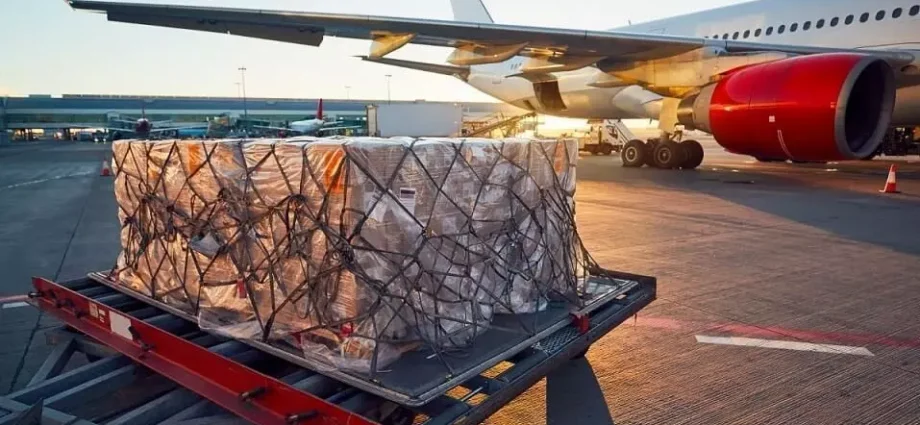
Air cargo carriers across the Asia Pacific region experienced stronger demand in April as businesses rushed to move goods ahead of anticipated price increases linked to ongoing geopolitical tensions and supply chain disruptions.
According to preliminary traffic figures released by the Association of Asia Pacific Airlines (AAPA), international air cargo demand increased by 4.1% year-on-year during April, measured in freight tonne kilometres (FTK). The growth reflects heightened shipping activity as manufacturers, retailers, and consumers sought to secure products before further cost escalations.
The AAPA noted that continuing tensions in the Middle East contributed to disruptions across global supply chains and pushed up the cost of goods. In response, businesses accelerated inventory purchases and stockpiling efforts to protect themselves against potential shortages and future price increases. This trend provided significant support to the region’s air cargo market during the month.
While demand continued to grow, airlines also expanded capacity to meet increased shipping requirements. Offered freight capacity rose by 4.4% compared with the same period last year. As a result, the average international freight load factor declined marginally by 0.2 percentage points to 60.5%.
AAPA Director General Wong Hong said the second quarter began with encouraging momentum, driven by stronger manufacturing activity and rising demand for consumer and intermediate goods.
“The start of the second quarter saw accelerated expansion in global manufacturing activity, with increased purchases of consumer and intermediate goods driving demand for air shipments,” said Hong.
The positive performance in April also contributed to broader growth across the year, with international air cargo demand for the first four months of 2026 increasing by 5.3%.
Despite the favourable demand environment, airlines continue to face several operational challenges. Elevated fuel costs remain a significant concern, placing pressure on carrier profitability at a time when economic uncertainty and inflation continue to affect global markets.
Hong cautioned that while there are signs of easing tensions in the Middle East, broader macroeconomic risks remain.
“Growing macroeconomic uncertainty, coupled with inflationary pressures, continues to weigh on the outlook for both passenger and air cargo markets in the months ahead,” he said.
Nevertheless, Asia Pacific airlines remain focused on maintaining operational efficiency and financial resilience. Carriers are carefully managing costs and strategically deploying capacity to maximise yields and profitability while continuing to uphold the highest safety standards.
As global supply chains adapt to shifting geopolitical and economic conditions, the Asia Pacific air cargo sector is expected to remain a critical component of international trade, supporting the rapid movement of goods across key markets worldwide.
