



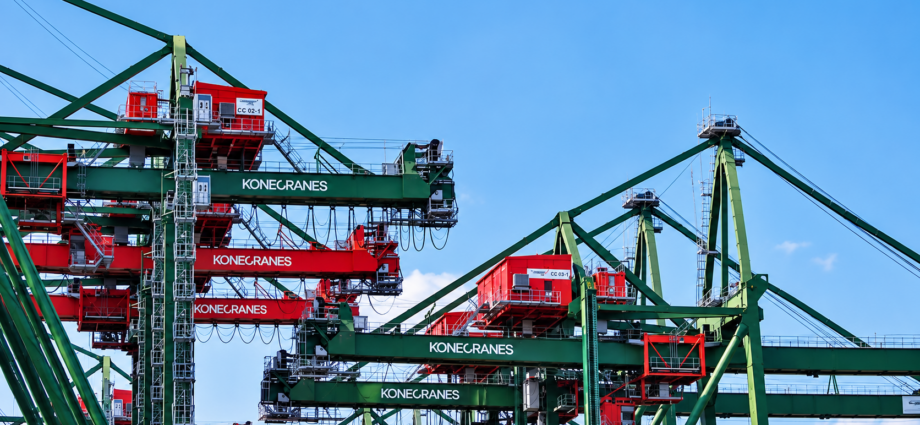
Konecranes reported higher net sales in the third quarter of 2026, although order intake declined year-on-year. Within its Port Solutions business, net sales and the comparable EBITA margin improved despite a reduction in new orders.
The results highlight differing trends between revenue performance and incoming demand for port equipment and solutions.
Port Solutions Records Improved Sales Performance
Konecranes’ Port Solutions business recorded growth in net sales and an improved comparable EBITA margin during the third quarter of 2026.
However, order intake declined compared with the same period a year earlier, indicating a softer level of incoming orders despite the improvement in sales performance.
Order intake is an important indicator of future business activity, while net sales reflect revenue recognised from products and services delivered during the reporting period.
Overall Sales Rise Despite Lower Order Intake
At group level, Konecranes achieved higher net sales in the third quarter, even as order intake fell year-on-year.
The distinction between sales and order intake is significant for equipment manufacturers serving ports and logistics operators. Revenue can increase as previously secured orders are delivered, even when new orders received during the period decrease.
The reported results therefore show stronger sales performance alongside a decline in new orders, including within Port Solutions.
Implications for Port Equipment and Logistics
Konecranes supplies equipment and services for material handling and port operations. Its Port Solutions performance is relevant to terminal operators and logistics businesses monitoring investment in port infrastructure and cargo-handling equipment.
The combination of higher sales, an improved comparable EBITA margin and lower order intake provides different indicators of the business’s performance during the quarter.
Further assessment of the outlook would require additional details on the scale of the changes, the order backlog and management’s expectations for demand.
