



The United States has identified the development of the Lobito Corridor as a priority infrastructure project under its strategic partnership with the Democratic Republic of the Congo, positioning the initiative as a key driver of regional trade and mineral export efficiency.
Central to this effort is the proposed concession award to Mota-Engil for the Congolese segment of the corridor. The project is designed to strengthen logistics networks linking southern DRC’s mining regions to the Atlantic coast via Angola, significantly improving export routes for critical minerals.
The corridor, running along the Sakania–Lobito axis, is expected to play a major role in reshaping bulk commodity flows. Government targets indicate that within five years, the route could handle 50% of copper exports, 30% of cobalt exports, and up to 90% of zinc shipments from state-owned mining operations. For cargo and bulk handling stakeholders, this represents a substantial shift in freight volumes and routing patterns.
From a logistics perspective, the corridor offers a strong competitive advantage. Transport times from key mining hubs such as Tenke and Kolwezi to the Port of Lobito are projected to drop to between five and eight days. This compares to current transit times of up to 25 days to alternative ports, including those in South Africa, Tanzania, Mozambique, and Namibia. The reduction could lower logistics costs by as much as 30%, enhancing the competitiveness of DRC exports in global markets.
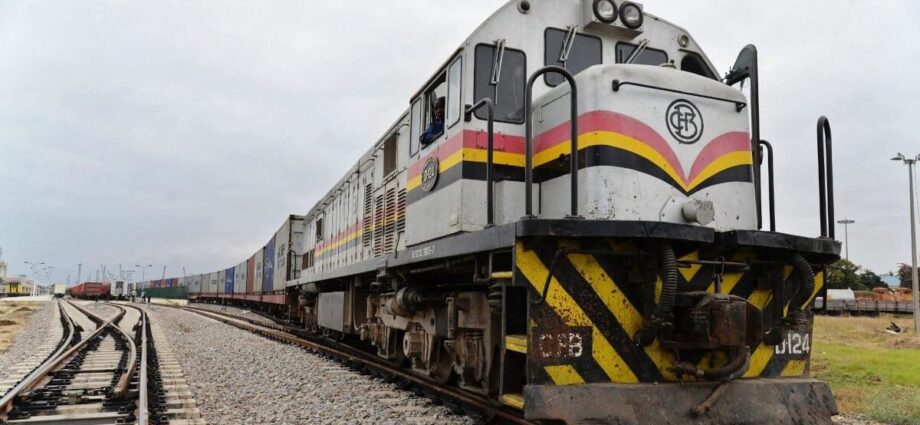
Rail infrastructure development is at the core of the project. Plans are underway to rehabilitate and upgrade the Dilolo–Sakania and Tenke–Kolwezi–Dilolo railway lines under a public-private partnership model, with construction expected to begin in late 2026. In the interim, the national rail operator has initiated emergency maintenance on critical sections to ensure operational continuity.
On the financing side, the U.S. International Development Finance Corporation has signaled strong support, with potential funding of up to $1 billion for the rail rehabilitation component, subject to final approvals. This backing underscores the project’s broader strategic objective of strengthening supply chains for critical minerals.
The Angolan segment of the corridor is already operational, managed by the Lobito Atlantic Railway consortium. This existing infrastructure provides a functional backbone for the broader corridor, enabling faster integration of the DRC segment once upgrades are completed.
For the cargo and bulk handling industry, the Lobito Corridor represents a transformative development. By redirecting mineral exports դեպի the Atlantic and streamlining rail-port connectivity, the project is expected to redefine regional logistics networks, increase throughput efficiency, and create new opportunities across the supply chain.
