



The ongoing conflict in the Middle East continues to impact global aviation and air cargo operations, with airlines extending flight suspensions, rerouting services, and adjusting network strategies as security concerns persist across the region.
For Africa’s cargo and logistics sector, the disruptions are creating ripple effects across international trade lanes, particularly on routes connecting Africa with Europe, Asia, and the Gulf region.
Flight Suspensions Affect Key Cargo and Trade Routes
Several international airlines have suspended or reduced passenger and cargo operations to major regional hubs including:
- Tel Aviv
- Dubai
- Doha
- Riyadh
- Beirut
- Amman
Major carriers affected include Lufthansa, Air France, KLM, Cathay Pacific, Singapore Airlines, and British Airways.
The suspension of flights to key Middle Eastern hubs is expected to impact cargo capacity, transit times, and supply chain reliability for African exporters and importers that depend heavily on Gulf and European air cargo connections.
African Trade Routes Face Indirect Pressure
The Middle East remains a critical transit corridor for African air freight, linking the continent to global markets through major cargo hubs such as Dubai and Doha.
As airlines reroute aircraft to avoid airspace over Iraq, Iran, Syria, and Israel, operators are facing:
- Longer flight times
- Higher fuel costs
- Increased operational expenses
- Scheduling disruptions
These challenges could place additional pressure on freight costs and delivery timelines for African industries reliant on air cargo, including:
- Fresh produce exports
- Pharmaceuticals
- Mining equipment
- Automotive components
- E-commerce logistics
Gulf Carriers Continue Rebuilding Capacity
Despite ongoing instability, some Middle Eastern airlines are gradually restoring operations and rebuilding network capacity.
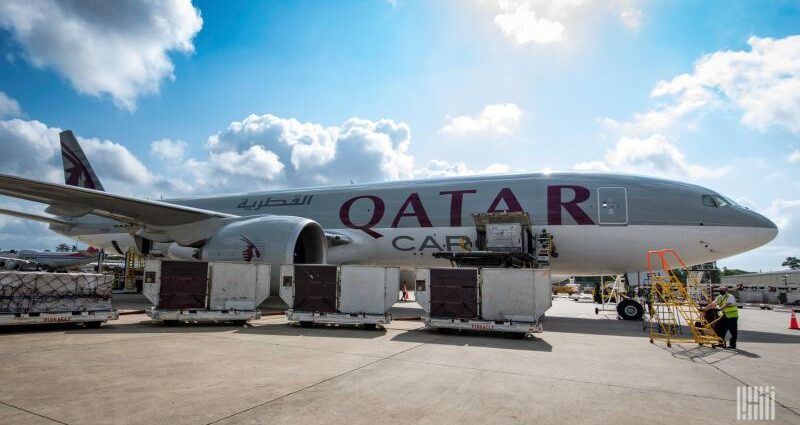
Qatar Airways announced plans to expand its international network to more than 150 destinations from mid-June, signalling confidence in regional recovery efforts.
The gradual return of Gulf carrier capacity is expected to provide some relief for African cargo operators and exporters that depend on the Middle East as a strategic logistics gateway.
Airlines Shift Focus Toward Africa and Asia
Several global airlines are also adjusting route strategies in response to changing demand patterns.
British Airways, part of International Airlines Group (IAG), confirmed reductions in Middle East services while increasing capacity on African and Indian routes.
This shift may create new opportunities for African aviation and cargo markets as airlines reposition aircraft and resources toward more stable and growing regions.
Air Cargo Sector Remains on High Alert
The evolving geopolitical situation continues to highlight the vulnerability of global logistics networks to regional instability.
For Africa’s aviation and cargo industries, maintaining flexible supply chains, diversified routing options, and resilient logistics infrastructure will remain essential as global carriers continue monitoring developments in the Middle East.
Industry stakeholders are expected to closely track further airline schedule changes and airspace restrictions in the coming months, as the sector adapts to an increasingly uncertain operating environment.
