



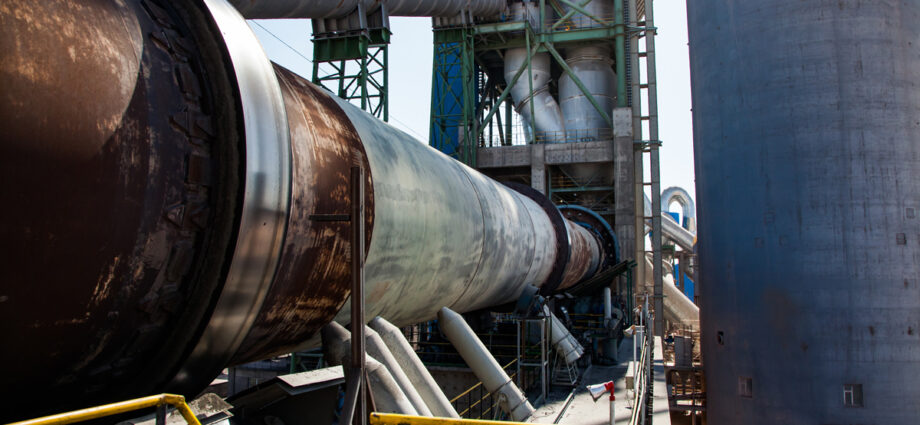
Compressed air is an essential utility in cement manufacturing, supporting a wide range of processes across the production cycle. From material conveying and silo aeration to kiln combustion and maintenance operations, reliable compressed air systems help cement plants maintain productivity, operational efficiency, and consistent product quality.
Because cement production operates continuously and under demanding conditions, compressed air must be delivered with precision, reliability, and energy efficiency.
Operating in Harsh and Dusty Environments
Cement plants are among the most challenging industrial environments due to high dust levels and abrasive operating conditions.
Air compressor systems used in these facilities must be robust, well-sealed, and equipped with advanced filtration technology to protect equipment from contamination and premature wear.
Selecting compressed air solutions specifically designed for dirty and dusty environments is critical for ensuring:
- Reliable operation
- Reduced downtime
- Longer equipment life
- Continuous clean air supply across the plant
Key Applications of Compressed Air in Cement Plants
Pneumatic Conveying
Compressed air is widely used to transport raw materials and cement products through pipelines and conveyor systems. Reliable airflow ensures smooth material movement while maintaining efficiency in dusty operating conditions.
Bulker and Train Unloading
Compressed air systems assist in unloading fly ash and other bulk materials from transport vehicles and rail systems, helping improve logistics efficiency and reduce operational delays.
Airlift Systems
Vertical material transport systems rely on compressed air to move materials to elevated storage and processing areas. Energy-efficient air systems help meet varying demand levels while reducing energy consumption.
Silo Cleaning
Over time, silos can develop hardened material build-up that disrupts flow and storage efficiency. Compressed air-powered cleaning systems and air cannons help remove blockages safely and efficiently without manual intervention.
Combustion Air Supply
Kilns require a stable supply of combustion air to maintain high operating temperatures and support efficient clinker production. Reliable compressed air systems help ensure stable kiln performance.
Baghouse Cleaning
Compressed air is used in pulse-jet cleaning systems for dust collectors and baghouse filters. This helps maintain airflow, improve filtration efficiency, and support environmental compliance.
Silo Aeration
Air is introduced into silos to keep bulk materials flowing freely and prevent compaction. Clean, oil-free compressed air is especially important in maintaining product quality and preventing contamination.
Clinker Cooling
During clinker cooling, controlled airflow helps regulate temperature and product consistency. Variable-speed compressor systems allow more precise airflow control while improving energy efficiency.
Powering Pneumatic Tools
Compressed air also powers a wide range of pneumatic tools used for maintenance and repair activities throughout cement plants. These tools are valued for their durability and dependable performance in harsh industrial conditions.
Supporting Efficient and Reliable Cement Production
As cement plants continue focusing on operational efficiency, sustainability, and reduced downtime, dependable compressed air systems remain a vital part of modern production infrastructure.
By delivering reliable airflow in harsh operating environments, advanced compressed air solutions help cement manufacturers improve plant performance, maintain product quality, and support continuous production operations.
For more information, visit Atlas Copco Group.
