



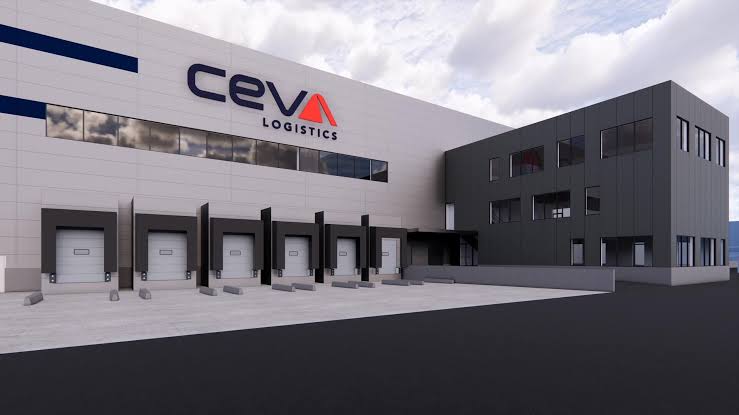
CEVA Logistics has expanded its footprint in Africa through a new joint venture with EFL Africa, reinforcing its commitment to strengthening logistics connectivity across Nigeria and the wider West African region.
The newly established CEVA EFL combines CEVA Logistics’ global freight forwarding expertise with EFL Africa’s extensive local infrastructure and operational experience to deliver integrated supply chain and cargo handling solutions in one of Africa’s fastest-growing logistics markets.
Operating from Lagos, the joint venture will provide a comprehensive range of logistics services, including customs clearance, freight forwarding, bonded import and export terminals, warehousing, container depot services, marine and barge logistics, and inland transport solutions.
A key feature of the partnership is an in-house licensed customs clearance team, aimed at streamlining border procedures, reducing cargo delays, and improving the efficiency of import and export operations for businesses operating across Nigeria and neighbouring West African markets.
According to CEVA Logistics, the partnership supports its strategy of strengthening regional supply chain networks by combining international logistics capabilities with strong local market knowledge.
Nigeria remains a critical gateway for African trade, with increasing demand for efficient multimodal logistics services driven by expanding manufacturing, retail, agriculture, energy and industrial sectors. Improved logistics infrastructure is expected to play an important role in supporting regional trade under the African Continental Free Trade Area (AfCFTA).
By leveraging EFL Africa’s established facilities and CEVA’s global logistics network, the joint venture aims to improve cargo movement, enhance supply chain reliability, and create greater opportunities for businesses trading within Africa and international markets.
The expansion highlights the growing importance of strategic partnerships in developing resilient logistics networks capable of supporting Africa’s increasing cargo volumes and long-term economic growth.
