



Reliable ash handling remains essential to the efficient operation of coal-fired power stations, where equipment is exposed to harsh operating conditions that include high temperatures, abrasive materials, moisture, and continuous duty cycles. In South Africa, SKF has demonstrated how engineering innovation and component remanufacturing can significantly improve the reliability and lifespan of critical ash handling equipment.
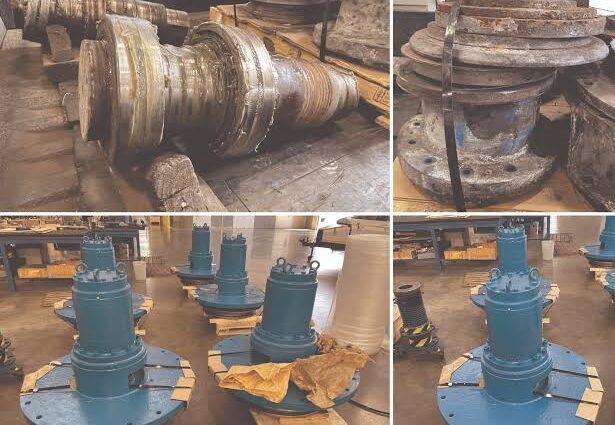
The company’s engineered and remanufactured Stub Shaft and sealing solutions have now delivered five years of uninterrupted operation on Submerged Scraper Conveyor (SSC) systems at two major power stations, operating without a single leak or failure since installation in 2021.
Supporting Reliable Ash Handling Operations
Submerged Scraper Conveyors play a vital role in coal-fired power generation by removing bottom ash produced during the combustion process. The systems transport hot ash through a water-filled trough, cooling the material while maintaining an airtight seal between the boiler and the ash handling system.
This process not only ensures the safe movement of ash but also prevents air ingress into the boiler, reduces dust emissions, and supports environmental compliance requirements.
Given the demanding nature of these applications, the reliability of every component within the SSC system is critical to maintaining uninterrupted plant operations.
Solving a Long-Standing Reliability Challenge
Historically, recurring failures within SSC systems have created operational challenges at several power stations. Leakage, seal degradation, bearing failures, and equipment seizures have often resulted in unplanned maintenance interventions, increased costs, and production disruptions.
Failures within the Stub Shaft assembly can have particularly serious consequences, as the component performs multiple critical functions within the conveyor system.
According to SKF South Africa, the Stub Shaft enables the rotation of the idler wheel that supports and guides the conveyor chain while housing the bearing and sealing arrangement that ensures smooth and reliable operation. It also serves as the structural mounting point that transfers operational loads while maintaining water sealing integrity throughout the system.
When seals fail or bearings seize, water leakage can occur, affecting environmental compliance and potentially forcing shutdowns for repairs.
Engineering a More Durable Solution
Following site assessments and consultations with the power utility, SKF’s engineering team developed an enhanced Stub Shaft design incorporating a redesigned bearing and advanced sealing arrangement.
The objective was clear: eliminate the leakage issues that had historically affected SSC performance while improving overall system reliability.
The redesigned sealing system was specifically engineered to maintain sealing integrity under submerged operating conditions, preventing water leakage while also eliminating idler seizures that had previously contributed to downtime and maintenance costs.
Exceeding Reliability Expectations
The first installation delivered results beyond the utility’s expectations.
The refurbished Stub Shafts exceeded the 18-month service life targets established under the utility’s Reliability-Based Optimisation (RBO) maintenance programme. Encouraged by the performance gains, the solution was subsequently implemented at a second power station.
Since their installation in 2021, the SKF-engineered Stub Shafts and sealing systems at both facilities have operated continuously without a single recorded leak or failure.
The improvements have translated into several operational benefits, including:
- Reduced unplanned downtime
- Improved equipment reliability
- Extended component service life
- Lower maintenance requirements
- Enhanced environmental compliance
- Improved plant efficiency
- Reduced total cost of ownership
Advancing Sustainability Through Remanufacturing
Beyond operational performance, the project also highlights the growing role of remanufacturing in supporting sustainability objectives within the power generation sector.
By refurbishing and remanufacturing existing Stub Shafts rather than replacing entire assemblies, the utility has been able to reduce material consumption, extend component lifecycles, and minimise waste.
The advanced sealing technology also helps prevent water contamination while ensuring stable and efficient ash handling operations, supporting broader environmental management goals.
Demonstrating the Value of Engineering Innovation
As power producers continue to focus on improving plant reliability, reducing maintenance costs, and extending asset life, engineered solutions that address long-standing operational challenges are becoming increasingly important.
SKF’s success with the SSC Stub Shaft programme demonstrates how targeted engineering improvements can deliver measurable long-term benefits in some of the most demanding industrial environments, helping power stations achieve greater operational efficiency while supporting sustainability and reliability objectives.
